The Scientific Conference of the Iraqi Judiciary — First Edition 2027 Republic of Iraq 15–16 April 2027 Call for Papers is Open
Conference watermark
Peer-Reviewed International Conference • First Edition 2027

The Scientific Conference of the Iraqi Judiciary

The Iraqi Judiciary between a Century of Justice and the Demands of the Digital Future

15–16 April 2027
Republic of Iraq
Original Peer-Reviewed Papers
Submit a Paper → Browse the Axes

Conference begins in

٠٠٠
Days
٠٠
Hours
٠٠
Minutes
٠٠
Seconds
Dates: 15–16 April 2027

Conference Patronage

Under the Patronage of the President of the Supreme Judicial Council of Iraq

President of the Supreme Judicial Council

The First Scientific Conference of the Supreme Judicial Council

Theme: “The Iraqi Judiciary between a Century of Justice and the Demands of the Digital Future”

The First Scientific Conference of the Supreme Judicial Council is a national academic event held in April 2027 under the patronage of the President of the Supreme Judicial Council, under the theme ‘The Iraqi Judiciary between a Century of Justice and the Demands of the Digital Future.’

The conference aims to review legal and judicial developments, strengthen scientific research, and discuss the challenges facing justice in light of digital transformation and artificial intelligence.

The conference brings together judges, researchers, academics, and experts from Iraq and a number of Arab and foreign countries, alongside representatives of UN and regional organizations and international legal institutions, enhancing the exchange of expertise and comparative experiences.

The conference forms a scholarly platform for dialogue and for offering insights and recommendations that contribute to developing the judicial and legislative system, entrenching the rule of law, and enhancing the efficiency of the Iraqi judiciary and its readiness for the demands of the future.

General Oversight

Supreme Committee

General oversight of the conference and steering its work.

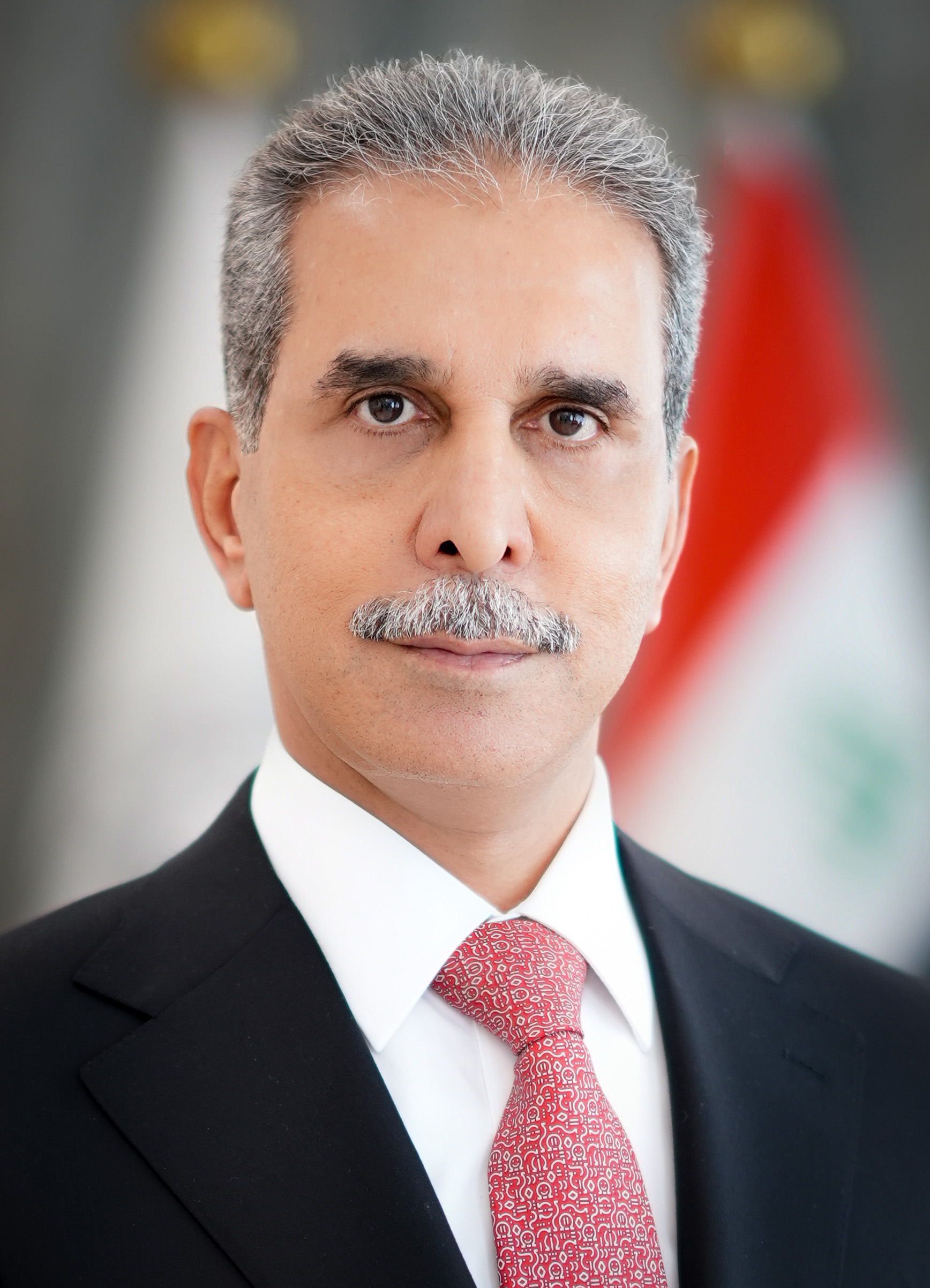
Judge Laith Jaber Hamzah

Judge Laith Jabr Hamza

President of the Judicial Supervision Authority

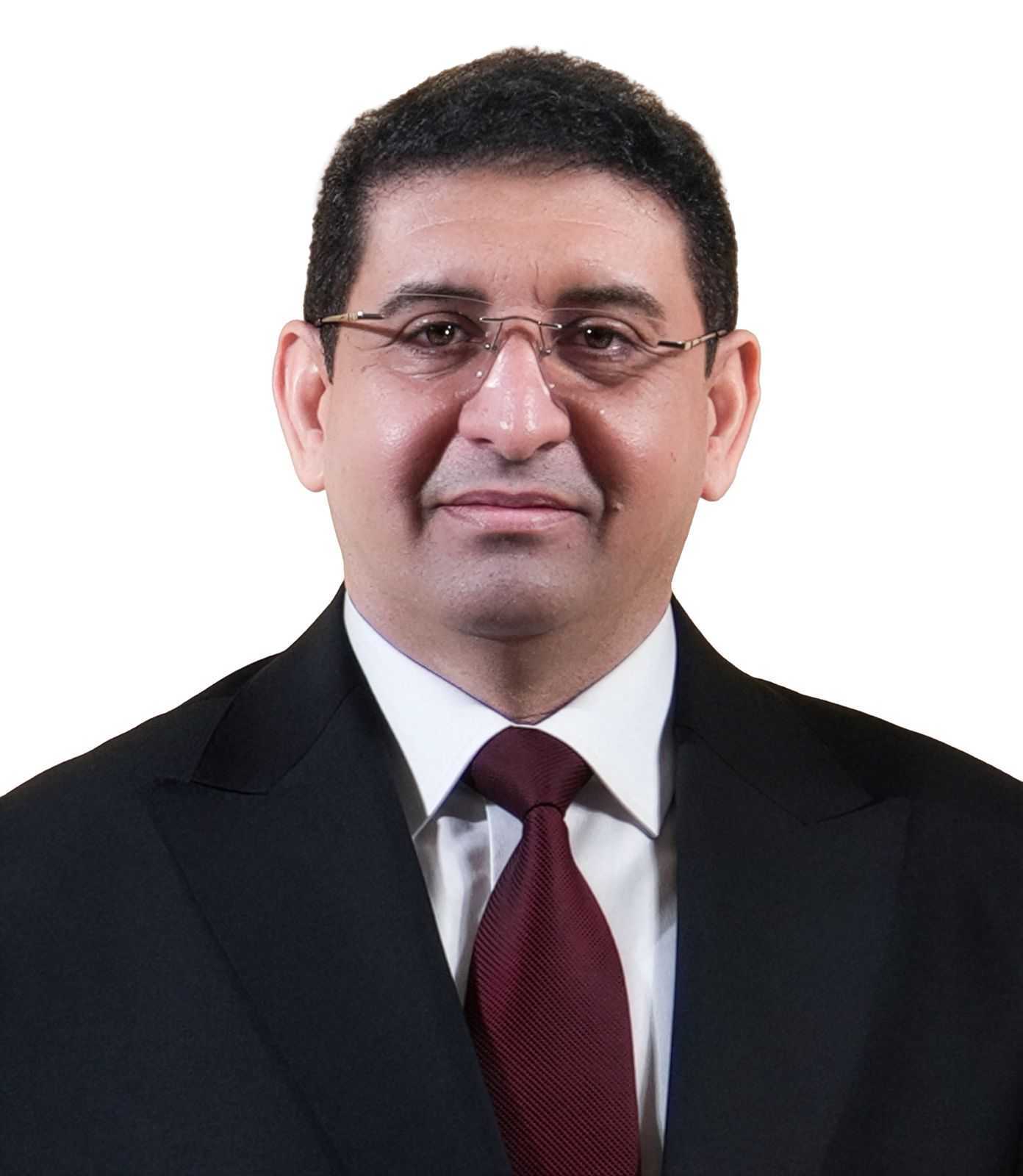
Judge Nasser Omran

Judge Nasser Omran

Judicial Supervisor

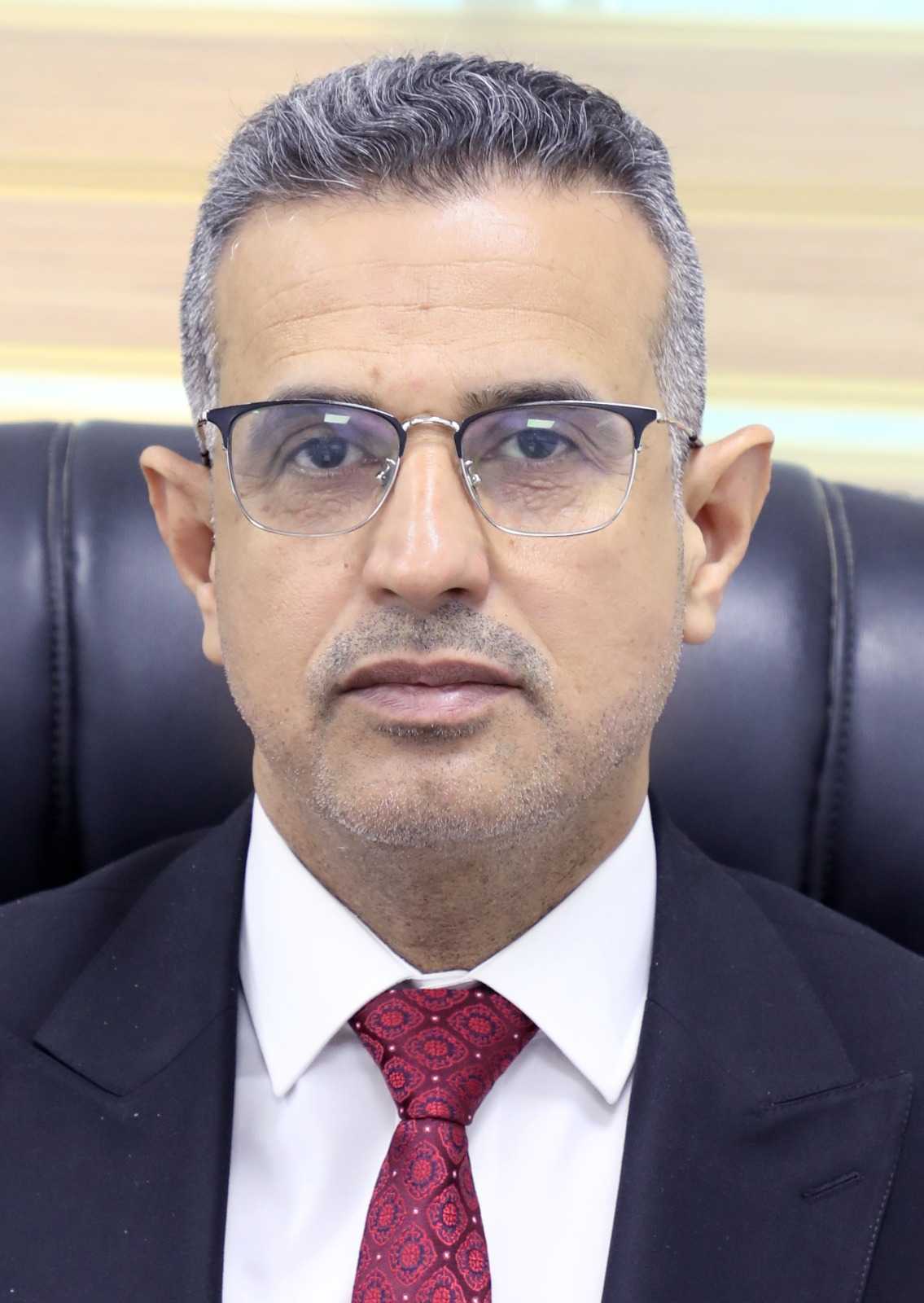
Judge Taghreed Abdul-Majeed

Vice President of Baghdad / Rusafa Court of Appeal

Dr. Khansaa Mohammed

Dr. Khansaa Mohammed

Dean of the College of Law — American University in Baghdad

Distinguished Participants

Speakers

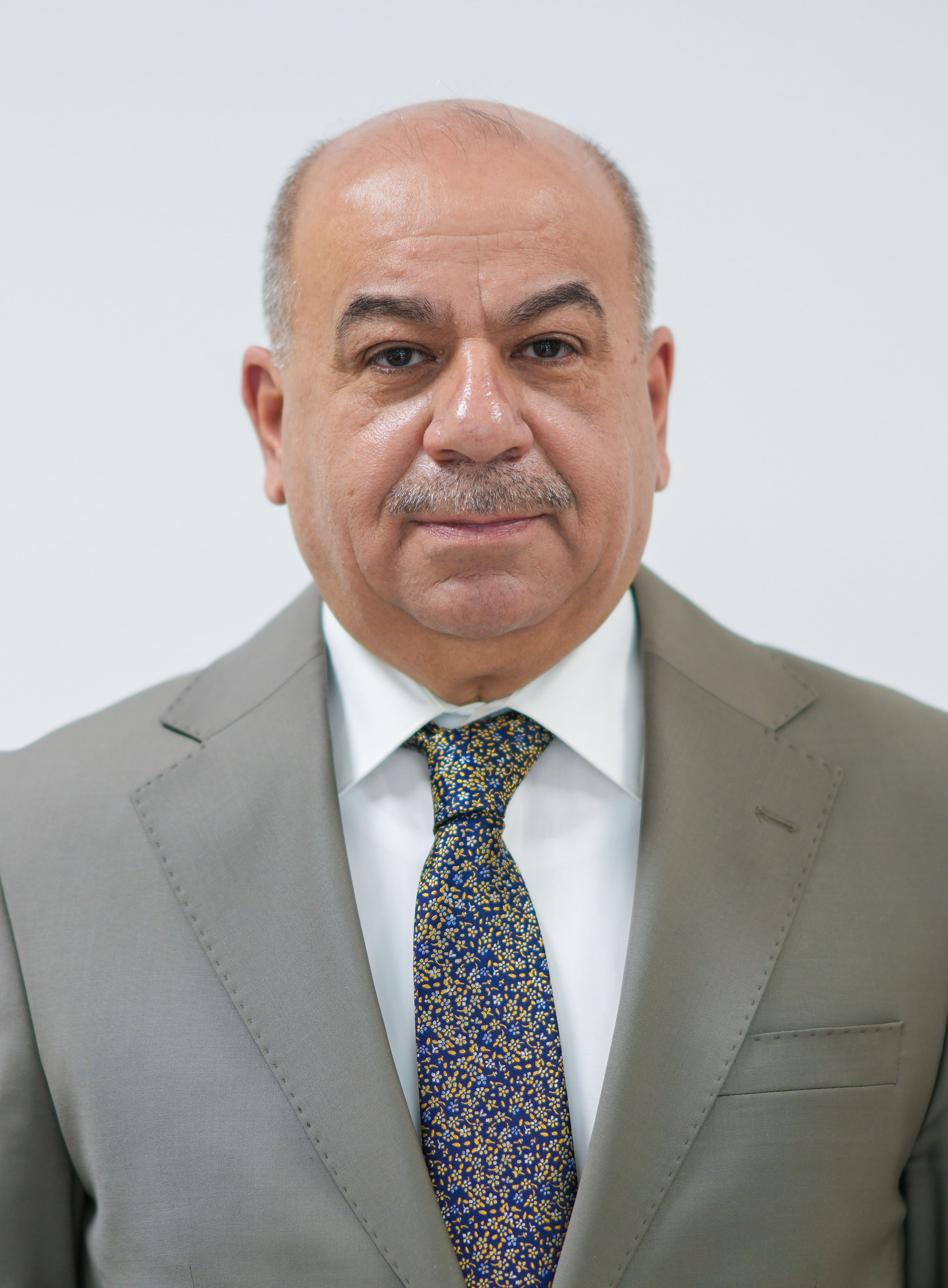
Hassan Fouad Moneim Rahim Al-Khafaji

Judge Hasan Fouad Munim Rahim Al-Khafaji

Deputy President of the Federal Court of Cassation — Supreme Judicial Council

Adel Khudhair Abbas Ajeel Al-Jenabi

Judge Adel Khudair Abbas Ajil Al-Janabi

Head of the Public Prosecution Service — Supreme Judicial Council

Nasser Omran Taher Salman Al-Okla

Judge Nasser Omran Taher Salman Al-Akla

Judicial Supervisor — Judicial Supervision Authority

5
Main research axes
2027
First edition
Two days
of conference sessions
International
participation and peer review

About the Initiative

An Initiative for a Knowledge-Driven Judiciary that Shapes Legal Thought

The Annual Scientific Conference of the Iraqi Judiciary is established as a permanent research platform that brings together judges, academics, and researchers to produce legal knowledge, develop judicial practice, and move the judiciary from merely applying the text to shaping legal thought and anticipating its future.

The first edition launches under the theme ‘The Iraqi Judiciary between a Century of Justice and the Demands of the Digital Future,’ establishing an annual scholarly tradition that keeps pace with digital transformation and artificial intelligence in the justice system.

Conference logo

A Century of Justice, Meeting the Digital Future


Conference theme

The Iraqi Judiciary between a Century of Justice and the Demands of the Digital Future


Conference Axes

Axes and Research Topics

Five main axes welcome original research and studies. Click an axis to view its research topics.

This axis examines digital transformation and AI in advancing judicial practice, enhancing the efficiency of justice administration, and envisioning the future of the digital judiciary.

Sample research topics — for illustration, not limitation

  • Constitutional, legal, and ethical safeguards for using AI in the judiciary.
  • AI governance and risk management within the judicial authority.
  • Judicial independence and justice safeguards amid the use of AI.
  • Digital transformation and its impact on developing the judicial system and enhancing the efficiency of justice.
  • Electronic courts and digital litigation procedures.
  • Smart management of cases, files, and judicial services in the digital environment.
  • Cybersecurity, data governance, and the protection of judicial information and privacy.
  • Digital evidence and electronic proof in judicial work.
  • AI in judicial knowledge management, decision support, and institutional planning.
  • Digital justice, access to justice, and the quality of judicial services.
  • AI, judicial transparency, and strengthening public trust in the judiciary.
  • The future of digital justice and smart transformation in the judicial authority.

This axis examines the role of the legislative framework in supporting judicial efficiency, strengthening legal certainty, keeping pace with digital transformation and AI, and envisioning the legal frameworks governing emerging technologies.

Sample research topics — for illustration, not limitation

  • Legislative policy and its impact on developing judicial practice.
  • Legislative quality and legal certainty in judicial application.
  • Legislative reform and its role in enhancing judicial efficiency.
  • Updating legislation to keep pace with digital transformation and AI in the judiciary.
  • Legal regulation of AI and emerging technologies in judicial work.
  • Legislative regulation of judicial procedures and proof in the digital environment.
  • Legislative governance of judicial data and information.
  • Legislation regulating disputes and crimes arising from modern technologies.
  • Legal liability arising from the use of AI in judicial work.
  • Comparative legislative trends in developing the judicial system.

This axis examines the role of judicial reasoning in developing legal principles, strengthening legal certainty and the stability of transactions, and anticipating modern judicial trends in the face of legal and technological change.

Sample research topics — for illustration, not limitation

  • Judicial reasoning and the development of legal rules and principles.
  • The authority of judicial precedent in developing judicial reasoning.
  • The role of the Court of Cassation in unifying and developing judicial principles and trends.
  • Modern judicial trends in interpreting and applying the law.
  • Judicial reasoning in the digital environment.
  • Judicial trends in regulating the use of AI in judicial work.
  • Judicial reasoning in disputes over emerging technologies and AI.
  • Comparative judicial trends and reasoning in unifying principles and developing judicial reasoning.

This axis examines the judiciary's role in combating financial and administrative corruption, promoting integrity, protecting public funds, and keeping pace with legal and technological developments in economic crime.

Sample research topics — for illustration, not limitation

  • Judicial protection of public funds and the promotion of integrity.
  • Judicial and criminal policy in confronting shifts in corruption and economic crimes.
  • Judicial protection for the recovery of illicit assets and proceeds.
  • Judicial handling of money-laundering and terrorism-financing crimes amid financial and technological developments.
  • Judicial proof and digital evidence in corruption crimes.
  • AI and data analytics in supporting the judiciary and combating corruption.
  • Emerging technologies in judicial investigation and proof.
  • National and international judicial cooperation in combating corruption and recovering assets.
  • Comparative judicial trends in advancing the fight against corruption and economic crimes.

This axis examines the judiciary's role in entrenching legal certainty, building trust in the judicial system, and providing a stable legal environment that incentivizes investment in line with economic and digital transformations and emerging technologies.

Sample research topics — for illustration, not limitation

  • Judicial security and legal stability for the investment environment.
  • Judicial protection of government and investment contracts.
  • Settlement of investment and commercial disputes.
  • Integration of the judiciary and arbitration in settling commercial and investment disputes.
  • Protection of rights and investments in the digital environment.
  • The judiciary and disputes of the digital economy and e-commerce.
  • Smart contracts and digital transformation in commercial and investment transactions and disputes.
  • Judicial regulation of AI use in investment and commercial activities.
  • Comparative judicial trends in international investment and trade.

Call for Papers

Call for the Submission of Papers

The conference welcomes rigorous, original scholarly papers across the various fields and branches of law — including civil, criminal, commercial, administrative, constitutional, international, and investment law, as well as other legal disciplines — provided the submitted topics align with the conference’s axes and objectives and meet the adopted scholarly and methodological standards.

Original Papers

Rigorous, previously unpublished scholarly work connected to one of the conference’s five axes.

Scientific Peer Review

Papers undergo rigorous scientific review; only papers that pass review are discussed at the conference.

International Presence

An international conference bringing together a select group of judges, researchers, and experts from within and beyond Iraq.

Do you have a paper that keeps pace with the future of justice?

Submit your paper to take part in the first edition of the Annual Scientific Conference of the Iraqi Judiciary.

Submit a Paper

Publication guidelines and final submission deadlines will be announced later.

Conference Committees

The Scientific and Technical Committees

The Scientific and Technical Committees review the conference’s papers and organize its media and digital work.

Scientific Committee 27 Technical Committee 2

Scientific Committee

27

Approving the axes and reviewing the papers submitted to the conference

Judge Kadhim Al-Khafaji Vice President of the Court of Cassation
Judge Mohammed Abd Shadhan Member of the Court of Cassation
Judge Ali Hussein Younis Member of the Court of Cassation
Judge Hani Abdul-Karim Mansour Member of the Court of Cassation
Judge and Judicial Supervisor Nasser Omran
Judge Yassin Taha Salman Al-Kharsan Vice President of Karkh Court of Appeal
Judge Jabbar Abd Dali Vice President of Rusafa Court of Appeal
Judge Dhiya Jaafar Lafta Vice President of Karkh Court of Appeal
Judge Jabbar Hussein Alaiwi Vice President of Karkh Court of Appeal
Judge Iyad Mohsen Damad Vice President of Rusafa Court of Appeal
Judge Mohammed Ali Mahmoud Nadeem Vice President of Karkh Court of Appeal
Judge Amer Hassan Shanta Judge of Karkh Third Investigation Court
Judge Ibrahim Hamid Kamel Judge of the Court of First Instance for Commercial Cases in Rusafa
Judge Yassin Abdullah Abdul-Karim Jadallah President of Asyut Economic Court, Arab Republic of Egypt
Prof. Dr. Adnan Ajil Obaid Professor of Constitutional Law, College of Law, University of Al-Qadisiyah, Iraq
Prof. Dr. Mohammed Suleiman Al-Ahmad Professor of Civil Law, University of Sulaimani, and Head of the Legal Research Center at the Ministry of Justice, Kurdistan Region of Iraq
Dr. Rabha Al-Ghandri Lecturer at the Faculty of Law and Political Science, University of Tunis El Manar, Tunisia, and Head of the Professional Master's in Legislative Science, delivered in partnership with the Tunisian Presidency of the Government
Dr. Ahmed Rabie Mohammed Hassan Assistant Professor of Civil Law and Intellectual Property at Dubai Police Academy, and Fellow of the University of Oxford, United Kingdom
Prof. Dr. Mizanur Rahman Professor of Civil Law, College of Law, the American University, holder of a PhD from King's College London, United Kingdom
Prof. Dr. Adnan Al-Sarhan Dean of the College of Law, University of Sharjah, United Arab Emirates
Prof. Dr. Akram Mohammed Hussein Professor of Commercial Law, University of Baghdad, Iraq
Prof. Dr. Hamed Mira Director of the Saudi Arabian Arbitration Center
Dr. Tamim Al-Jader Professor of Criminal Law at Al-Alamain Institute for Graduate Studies, Iraq, and Lecturer at the Judicial Institute
Dr. Judge Inas Al-Khalidi Professor of Law and Digital Arbitration, Faculty of Law, Amman Arab University, and founder of the AI LAW Academy, the first Arab academy for artificial intelligence, law, and emerging technologies
Dr. Riyad Fakhri Director of the Business Law Research Center at the Faculty of Legal and Political Sciences, Hassan I University, Morocco; legal advisor to the Arab Federation for Digital Empowerment; and certified expert at the National Center for Scientific and Technical Research
Professor Laura Guercio Representative of the Universities Network for Children in Armed Conflict, Italy
Dr. Gary Born Partner, King & Spalding

Technical Committee

2

Media and digital platforms of the conference

Ms. Sinan Ghanem Director of the Media Center of the Supreme Judicial Council
Prof. Dr. Odai Ali Ahmed Assistant to the President of the British University in Baghdad for Scientific Affairs

Key Milestones

Important Dates

All times are in Baghdad time (GMT+3). Final paper-submission deadlines will be announced later.

Open now

Conference Launch

To be announced

Official announcement of the first edition and the opening of the call for papers within the five axes.

Upcoming

Paper Submission & Review

To be announced

Papers are received and undergo scientific review; final deadlines and publication guidelines will be announced later.

Coming

Conference Convening

15–16 April 2027

Discussion of the papers that pass review over two days, with judges, researchers, and experts from within and beyond Iraq.

With the Support and Patronage of

Sponsors

American University of Baghdad American University in Baghdad